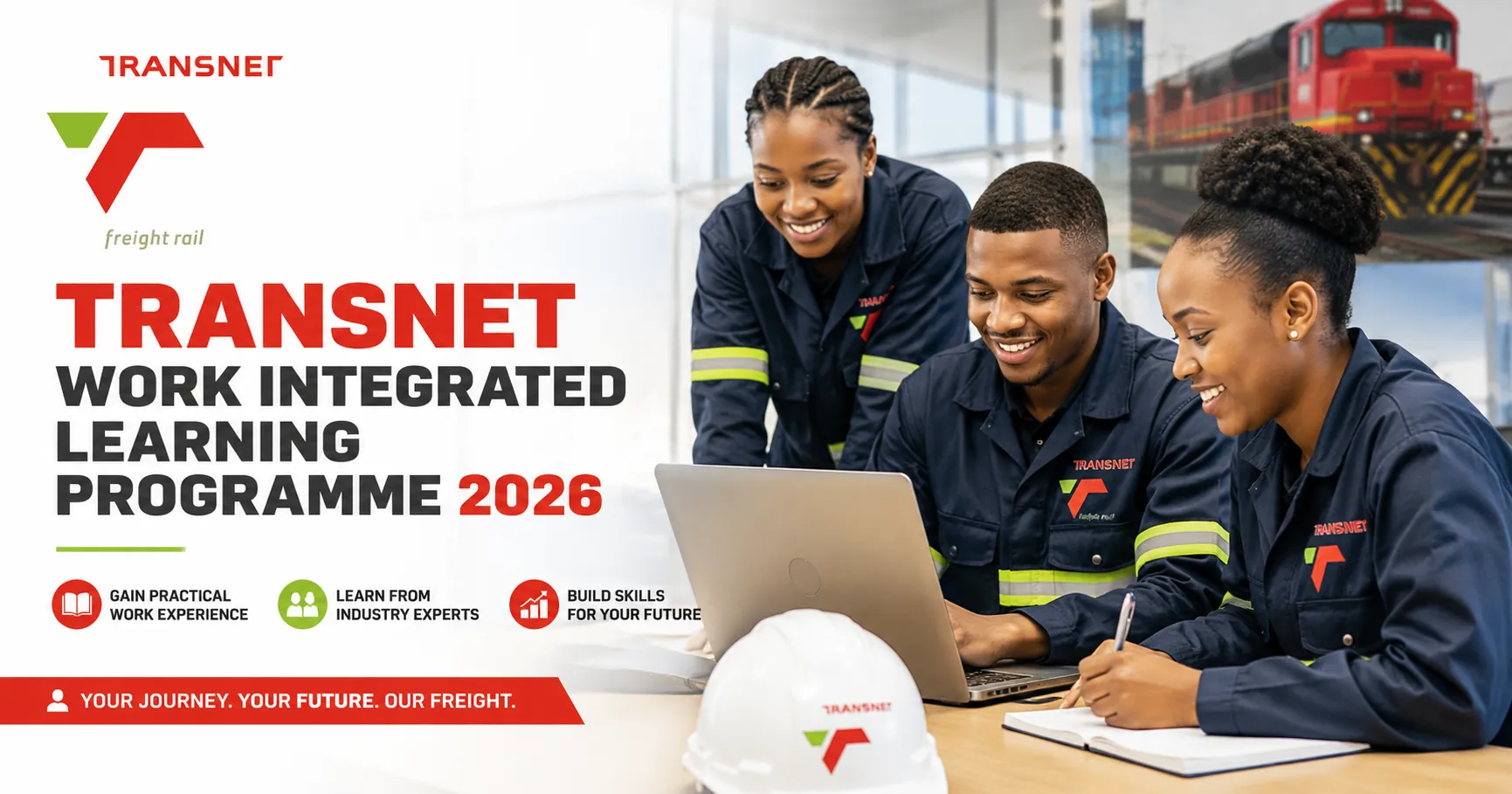
Are you looking for one of the best Work Integrated Learning Programme 2026 opportunities in South Africa? If you are a TVET College student, graduate, or someone who needs workplace experience to complete your qualification, these Work Integrated Learning (WIL) Programmes provide an excellent opportunity to gain practical industry experience while improving your employability.
The latest Work Integrated Learning Programme 2026 opportunities cover both technical and non-technical fields, giving students from various disciplines the chance to develop workplace skills that employers highly value.
Available opportunities include:
- Work Integrated Learner – Non-Technical Learner (TVET)
- Work Integrated Learner – Technical Engineering
- Work Integrated Learner – Information Technology
- In-service Training: Mechanical Engineering
- In-service Training: Electronics Engineering
- In-service Training: Communication/Public Relations
- In-service Training: Hospitality
These programmes are ideal for candidates searching for South Africa jobs, graduate jobs, internships, learnerships, and career opportunities that provide valuable practical experience.
Available Work Integrated Learning Opportunities
| Programme | Category |
|---|---|
| Work Integrated Learner – Non Technical Learner (TVET) | TVET Workplace Experience |
| Work Integrated Learner – Technical Engineering | Engineering |
| Work Integrated Learner – Information Technology | Information Technology |
| In-service Training – Mechanical Engineering | Engineering |
| In-service Training – Electronics Engineering | Engineering |
| In-service Training – Communication/Public Relations | Communications |
| In-service Training – Hospitality | Hospitality & Tourism |
Programme Overview
Work Integrated Learning (WIL) combines classroom learning with practical workplace experience.
Many South African TVET Colleges and Universities require students to complete workplace exposure before graduating.
These internships allow students to:
- Apply theoretical knowledge in real work environments
- Learn workplace professionalism
- Build industry experience
- Improve communication skills
- Increase employment opportunities after graduation
For many employers, workplace experience is often the deciding factor when hiring graduates.
Available Fields Explained
Work Integrated Learner – Non-Technical Learner (TVET)
This programme is designed for TVET students studying non-technical qualifications.
Possible fields include:
- Business Administration
- Human Resources
- Office Administration
- Public Management
- Marketing
- Supply Chain Administration
- Finance Administration
Typical duties may include:
- Filing documents
- Data capturing
- Administrative support
- Customer service
- Office coordination
- Record management
Work Integrated Learner – Technical Engineering
Students studying engineering qualifications gain practical exposure in technical environments.
Typical engineering disciplines include:
- Electrical Engineering
- Mechanical Engineering
- Civil Engineering
- Industrial Engineering
Possible responsibilities:
- Equipment maintenance
- Preventative inspections
- Engineering documentation
- Assisting qualified technicians
- Health and safety compliance
Engineering workplace experience prepares students for future artisan, technician and engineering careers.
Work Integrated Learner – Information Technology
Information Technology students receive practical exposure to modern digital workplaces.
Typical learning areas include:
- Computer support
- Network administration
- Hardware troubleshooting
- Software installation
- Database management
- Cybersecurity fundamentals
- Cloud Computing basics
As South Africa continues embracing digital transformation, IT workplace experience is becoming increasingly valuable.
In-service Training – Mechanical Engineering
Mechanical Engineering interns may assist with:
- Machine maintenance
- Mechanical inspections
- Equipment servicing
- Technical reporting
- Preventative maintenance
- Workshop operations
These practical skills are highly sought after across manufacturing, mining, energy and industrial sectors.
In-service Training – Electronics Engineering
Electronics Engineering interns may gain experience in:
- Electronic systems
- Circuit testing
- Instrument calibration
- Fault diagnosis
- Preventative maintenance
- Industrial electronics
Electronics Engineering remains one of South Africa’s critical scarce skills.
In-service Training – Communication/Public Relations
Students studying Communication or Public Relations gain valuable corporate experience.
Responsibilities may include:
- Social media content
- Internal communication
- Media relations
- Event coordination
- Marketing support
- Corporate branding
- Stakeholder communication
These skills are transferable across government departments, municipalities, private companies and NGOs.
In-service Training – Hospitality
Hospitality students may gain practical exposure in:
- Front Office
- Guest Services
- Food & Beverage
- Housekeeping
- Events Management
- Customer Experience
Hospitality experience can open doors within tourism, hotels, airlines and conference centres.
Who Should Apply?
These programmes are suitable for:
- TVET College students
- University students requiring workplace experience
- Students completing N6 qualifications
- Graduates needing practical exposure
- South African unemployed youth
- Candidates needing Work Integrated Learning to graduate
Minimum Requirements
Although requirements differ by programme, applicants generally need:
- South African citizenship
- Relevant TVET or university qualification
- Academic records
- Updated Curriculum Vitae (CV)
- Certified copy of ID
- Proof of qualification or statement of results
Some technical programmes may require specific engineering or IT qualifications.
Estimated Stipend and Earnings
The employer has not publicly confirmed the stipend for these opportunities.
However, based on similar Work Integrated Learning programmes across South Africa, participants may receive:
| Programme Type | Estimated Monthly Stipend |
|---|---|
| TVET Workplace Learning | R3,500 – R6,500 |
| Engineering Internship | R5,000 – R9,500 |
| IT Internship | R5,500 – R10,000 |
| Communication Internship | R4,500 – R8,000 |
| Hospitality Internship | R3,500 – R6,000 |
Please note: These figures are estimates based on comparable South African internship programmes and are not guaranteed.
Employee Benefits
Benefits vary depending on the employer.
Where offered, participants may receive:
- Practical workplace training
- Industry mentoring
- Professional supervision
- Skills development
- Networking opportunities
- Workplace coaching
- Performance evaluations
- Exposure to industry systems
- Employment references
Medical Aid, Pension Fund, Life Insurance and other permanent employee benefits are generally not included in most Work Integrated Learning programmes unless specifically stated by the employer.
Career Growth Opportunities
Completing a Work Integrated Learning Programme can significantly improve your long-term career prospects.
Possible career paths include:
Engineering
- Engineering Technician
- Mechanical Technician
- Maintenance Planner
- Production Engineer
- Project Engineer
Information Technology
- IT Support Technician
- Systems Administrator
- Cloud Support Associate
- Cybersecurity Analyst
- Software Developer
- Data Analyst
Hospitality
- Hotel Supervisor
- Operations Coordinator
- Restaurant Manager
- Guest Relations Officer
- Events Coordinator
Communication & PR
- Communications Officer
- Public Relations Officer
- Marketing Coordinator
- Digital Marketing Specialist
- Corporate Affairs Officer
Business Administration
- Office Administrator
- HR Administrator
- Procurement Officer
- Supply Chain Administrator
- Project Administrator
Transferable Skills You Will Gain
One of the biggest advantages of Work Integrated Learning is the development of transferable workplace skills.
These include:
- Professional communication
- Teamwork
- Time management
- Leadership
- Problem-solving
- Customer service
- Digital literacy
- Microsoft Office skills
- Report writing
- Workplace ethics
- Adaptability
- Critical thinking
These competencies are valued across both government jobs and private sector jobs.
Industry Outlook in South Africa
South Africa continues investing in skills development to address youth unemployment and close the gap between education and industry.
Several sectors are expected to remain in high demand over the coming years:
Engineering
Infrastructure development, renewable energy, manufacturing and industrial maintenance continue driving demand for engineering professionals.
Information Technology
Cloud Computing, Cybersecurity, Artificial Intelligence, Software Development and Data Analytics remain among South Africa’s fastest-growing career fields, creating strong demand for skilled IT professionals.
Hospitality
The tourism sector continues recovering, increasing demand for trained hospitality professionals in hotels, resorts, conference venues and travel services.
Communication
Businesses increasingly rely on digital marketing, social media management and corporate communications, creating opportunities for graduates with communication and public relations skills.
Professional Development
After completing your workplace experience, consider furthering your qualifications through:
Engineering
- National Diploma
- Advanced Diploma
- Bachelor of Engineering Technology
- GCC preparation courses
- Project Management certification
Information Technology
- Microsoft Certifications
- Cisco CCNA
- CompTIA A+
- CompTIA Network+
- AWS Cloud Practitioner
- Microsoft Azure Fundamentals
- Cybersecurity certifications
Hospitality
- Hospitality Management Diploma
- Tourism Management
- Event Management
- Food Safety Certification
Communication
- Digital Marketing Certifications
- Public Relations Diploma
- Google Digital Marketing Certificate
- Social Media Marketing courses
Continuous learning enhances your employability and can lead to higher-paying roles.
Why Work Integrated Learning Matters
Employers consistently seek candidates who can demonstrate practical experience alongside academic qualifications.
Participating in a Work Integrated Learning Programme helps you:
- Build confidence
- Gain workplace exposure
- Strengthen your CV
- Improve interview performance
- Expand your professional network
- Increase your chances of permanent employment
Many employers recruit directly from their internship and workplace learning programmes when permanent positions become available.
How to Apply
Interested candidates should apply online for the relevant programme that matches their qualification:
-
Frequently Asked Questions
Who can apply for the Work Integrated Learning Programme 2026?
South African TVET College students, university students, graduates and learners who require workplace experience to complete their qualification can apply, provided they meet the programme-specific requirements.
Is this a permanent job?
No. These are temporary Work Integrated Learning and internship opportunities designed to provide practical workplace experience.
Is there a salary?
The employer has not confirmed a salary or stipend. Where provided, stipends for similar programmes typically range from R3,500 to R10,000 per month, depending on the field and organisation.
Will completing the programme guarantee employment?
No. However, successful completion greatly improves your employability and may increase your chances of securing future permanent or contract employment.
Can TVET students apply?
Yes. Several of these opportunities are specifically intended for TVET College students completing their Work Integrated Learning requirements.Work Integrated Learner – Information Technology
- In-service Training – Mechanical Engineering
- In-service Training – Electronics Engineering
- In-service Training – Communication/Public Relations
- In-service Training – Hospitality
Before applying, ensure that you have:
- A comprehensive CV
- Certified copy of your South African ID
- Academic transcript or statement of results
- Relevant qualification or proof of registration
- Any additional documents requested by the employer
Apply:
Work Intergrated Learner – Non Technical Learner (TVET)
Apply Online for the Work Intergrated Learning Programme – Non Technical Learner (TVET)
Work Integrated Learner: Technical – Engineering
Apply Online for the Work Integrated Learning Programme: Technical – Engineering
In-service Training: Internship (Communication/Public Relations)
Apply Online for the In-service Training: Internship (Communication/Public Relations)
In-service Training: Internship (Hospitality)
Apply Online for the In-service Training: Internship (Hospitality)
Work Integrated Learner: Non Technical – Information Technology
Apply Online for the Work Integrated Learner: Non Technical – Information Technology
In-service Training: Internship (Mechanical Engineering)
Apply Online for the In-service Training: Internship (Mechanical Engineering)
In-service Training: Internship (Electronics Engineering)
Apply Online for the In-service Training: Internship (Electronics Engineering)
Final Thoughts
The Work Integrated Learning Programme 2026 presents an outstanding opportunity for South African students and graduates to bridge the gap between academic study and professional employment. Whether your field is Engineering, Information Technology, Communication, Hospitality, or another TVET discipline, these programmes provide practical experience, valuable mentorship and skills that employers actively seek.
If you meet the requirements, submit your application as soon as possible. Competition for quality internships, learnerships, and graduate jobs is high, and early applications often have the best chance of success. Don’t forget to explore other South Africa jobs, latest vacancies, employment opportunities, and apply online career programmes to continue building a successful future.