Introduction
Paramedics Training & Careers in South Africa (2026) Paramedics play a critical role in South Africa’s healthcare system by providing emergency medical care to patients before they reach hospitals. These highly trained professionals respond to road accidents, medical emergencies, disasters, trauma incidents, and life-threatening situations where immediate medical intervention can save lives.
As South Africa continues to invest in healthcare services, emergency medical services (EMS), and public health infrastructure, the demand for qualified paramedics and emergency care practitioners continues to grow. The profession offers excellent career opportunities, job security, professional development, and the chance to make a meaningful difference in communities.
For individuals passionate about healthcare, patient care, and emergency response, a career in paramedicine can be both financially rewarding and personally fulfilling. Emergency care professionals are regulated by the Health Professions Council of South Africa (HPCSA), which oversees education, training, and professional registration within the sector.
Job Overview
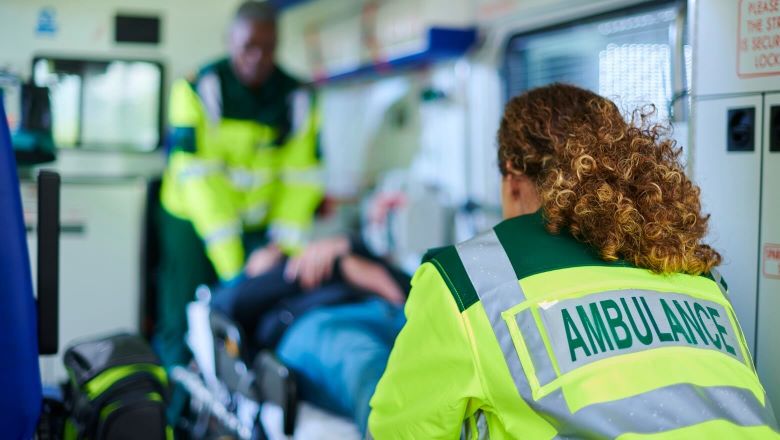
Paramedics are healthcare professionals who provide emergency treatment and medical assistance outside hospital settings. They are often the first healthcare providers to arrive at accident scenes, medical emergencies, and disaster situations.
Their responsibilities include:
- Assessing patient conditions
- Administering emergency treatment
- Performing life-saving procedures
- Operating ambulance equipment
- Transporting patients safely
- Responding to emergency calls
- Providing trauma care
- Assisting during disasters and major incidents
- Maintaining medical records
- Supporting hospital emergency departments
Paramedics work in:
- Government Emergency Medical Services
- Private Ambulance Services
- Hospitals
- Mining Companies
- Aviation Rescue Services
- Industrial Emergency Response Teams
- Fire and Rescue Services
- Disaster Management Units
The profession combines medical knowledge, technical skills, and quick decision-making in high-pressure environments.
What You Will Learn
Paramedic training provides extensive theoretical and practical knowledge.
Students learn:
- Human Anatomy and Physiology
- Emergency Medical Care
- Trauma Management
- Advanced Life Support
- Patient Assessment
- Rescue Techniques
- Emergency Pharmacology
- Ambulance Operations
- Medical Ethics
- Communication Skills
- Infection Prevention
- Health and Safety Procedures
- Disaster Management
- Clinical Decision-Making
Modern emergency care training combines classroom education, simulation laboratories, practical placements, and real-world clinical experience. Leading institutions use advanced training technologies and simulation facilities to prepare students for emergency situations.
Programme Overview
| Category | Details |
|---|---|
| Career Field | Emergency Medical Services (EMS) |
| Industry | Healthcare |
| Registration Body | HPCSA |
| Entry Qualification | Grade 12 (Matric) |
| Training Options | Higher Certificate, Diploma, Degree |
| Programme Duration | 1–4 Years |
| Study Mode | Full-Time |
| Career Level | Entry-Level to Professional |
| Employment Sector | Public and Private Healthcare |
| Career Growth | High |
| International Opportunities | Available |
Current emergency care qualifications in South Africa follow a structured pathway that includes Higher Certificates, Diplomas, and Bachelor degrees aligned with national healthcare standards.
Stipend: R5000
Minimum Requirements
The minimum requirements typically include:
- Grade 12 (Matric)
- English proficiency
- Physical fitness
- Strong communication skills
- Ability to work under pressure
- Good problem-solving skills
- Compassion and empathy
- Willingness to work shifts
- Ability to handle emergency situations
Many institutions require applicants to meet specific Admission Point Score (APS) requirements based on their chosen programme.
Additional Qualifications
Depending on the training pathway, students may pursue:
Higher Certificate in Emergency Medical Care
- Duration: Approximately 1 year
- Leads to registration as an Emergency Care Assistant (ECA) with the HPCSA.
Diploma in Emergency Medical Care
- Advanced training pathway
- Provides expanded emergency care competencies.
Bachelor of Emergency Medical Care (BEMC)
- Four-year professional degree
- Qualifies graduates for registration as Independent Emergency Care Practitioners.
Additional certifications that may enhance employability include:
- Advanced Life Support (ALS)
- Basic Life Support (BLS)
- First Aid Certification
- Rescue Training
- Disaster Management Training
Qualities of Successful Paramedics
Paramedics require a unique combination of technical and personal skills.
Compassion
Patients often experience distressing situations and require reassurance.
Emotional Resilience
Emergency care professionals regularly encounter traumatic incidents.
Critical Thinking
Rapid decision-making can save lives during emergencies.
Communication Skills
Effective communication is essential when dealing with patients, families, and healthcare teams.
Physical Fitness
The role often involves lifting patients and operating in challenging environments.
Professionalism
Healthcare practitioners must maintain high ethical and professional standards.
Adaptability
Every emergency situation is different and requires flexibility.
Why This Career Is Growing
The emergency medical services profession continues expanding for several reasons.
Growing Healthcare Demand
Population growth increases demand for emergency healthcare services.
Road Traffic Accidents
South Africa continues experiencing significant trauma-related emergencies requiring skilled paramedics.
Public Healthcare Investment
Government healthcare initiatives continue strengthening emergency response capabilities.
Private Healthcare Expansion
Private ambulance services continue expanding their operations nationwide.
Global Opportunities
Qualified emergency care practitioners often find employment opportunities internationally.
Technological Advancements
Modern emergency care increasingly utilizes advanced medical technology, creating demand for highly trained professionals.
Emergency care remains one of the most respected and essential professions within the healthcare sector.
Benefits of the Programme
Choosing a paramedic career offers numerous benefits.
Job Security
Healthcare professionals remain in demand regardless of economic conditions.
Competitive Earnings
Advanced qualifications can significantly improve earning potential.
Career Advancement
Opportunities exist to progress into management, education, research, and specialized rescue fields.
Pension and Retirement Benefits
Many employers provide retirement fund contributions and pension benefits.
Medical Aid Benefits
Healthcare employers often offer attractive medical aid packages.
Professional Development
Continuous professional development (CPD) ensures lifelong learning and career growth.
International Mobility
South African emergency care qualifications are respected internationally.
Meaningful Work
Paramedics directly contribute to saving lives and improving healthcare outcomes.
How to Apply
Step 1: Obtain Matric
Complete Grade 12 with the required admission criteria.
Step 2: Choose an Accredited Institution
Select a recognised institution offering Emergency Medical Care programmes.
Step 3: Submit Your Application
Provide:
- Certified ID Copy
- Certified Matric Certificate
- Academic Records
- Proof of Residence
- Application Forms
Step 4: Complete Training
Successfully complete all academic, practical, and clinical requirements.
Step 5: Register with HPCSA
Graduates must register with the HPCSA before practicing professionally.
Final Thoughts
Paramedics Training & Careers in South Africa 2026 continue to offer excellent opportunities for individuals seeking meaningful, respected, and financially rewarding careers within healthcare. Whether you pursue a Higher Certificate, Diploma, or Bachelor of Emergency Medical Care, the profession provides strong career growth, job security, and opportunities for specialization.
As South Africa’s healthcare sector continues evolving, qualified emergency care practitioners remain essential to delivering life-saving services across urban and rural communities. For individuals who are passionate about helping others, working under pressure, and contributing to public health, paramedicine remains one of the country’s most rewarding healthcare careers.